
June 5, 2026
Only 312 Left (Then It’s Gone)
Featured: When Premium Brands Lose the Room
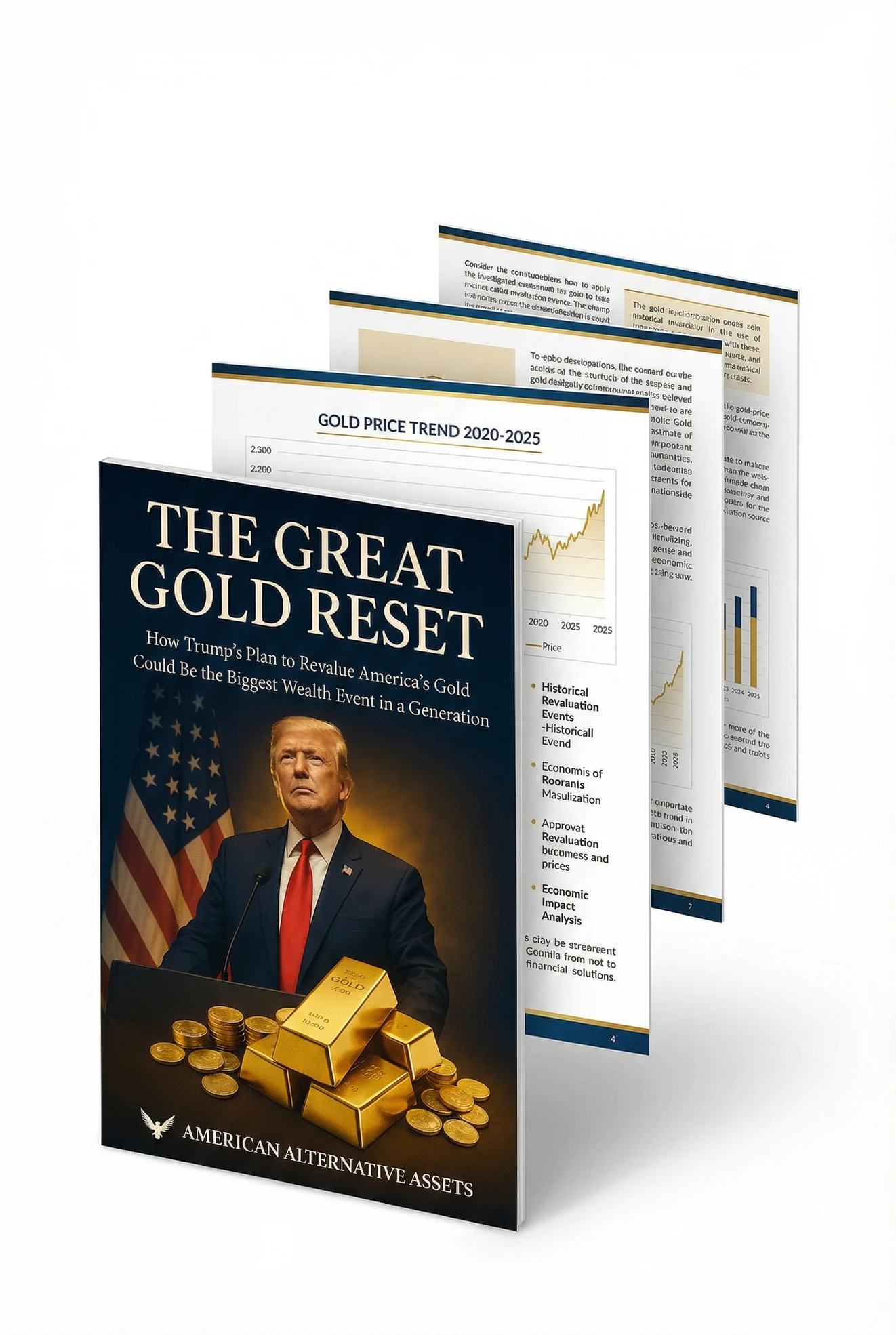
We printed 1,000 copies of this report.
688 are gone.
When the last one goes out, we’re pulling it offline – the information inside is too sensitive to leave up indefinitely.
Here’s what’s inside the remaining copies:
The executive order Trump can sign tomorrow – the same legal authority FDR used in 1934 to move billions in wealth overnight – and exactly how to position before it happens.
This isn’t a newsletter. It’s not evergreen content.
It’s a window. And 688 people already jumped through it.
Claim one of the 312 remaining copies →
We won’t reopen this once it’s closed.
| GET MY COPY NOW → |
When Premium Brands Lose the Room
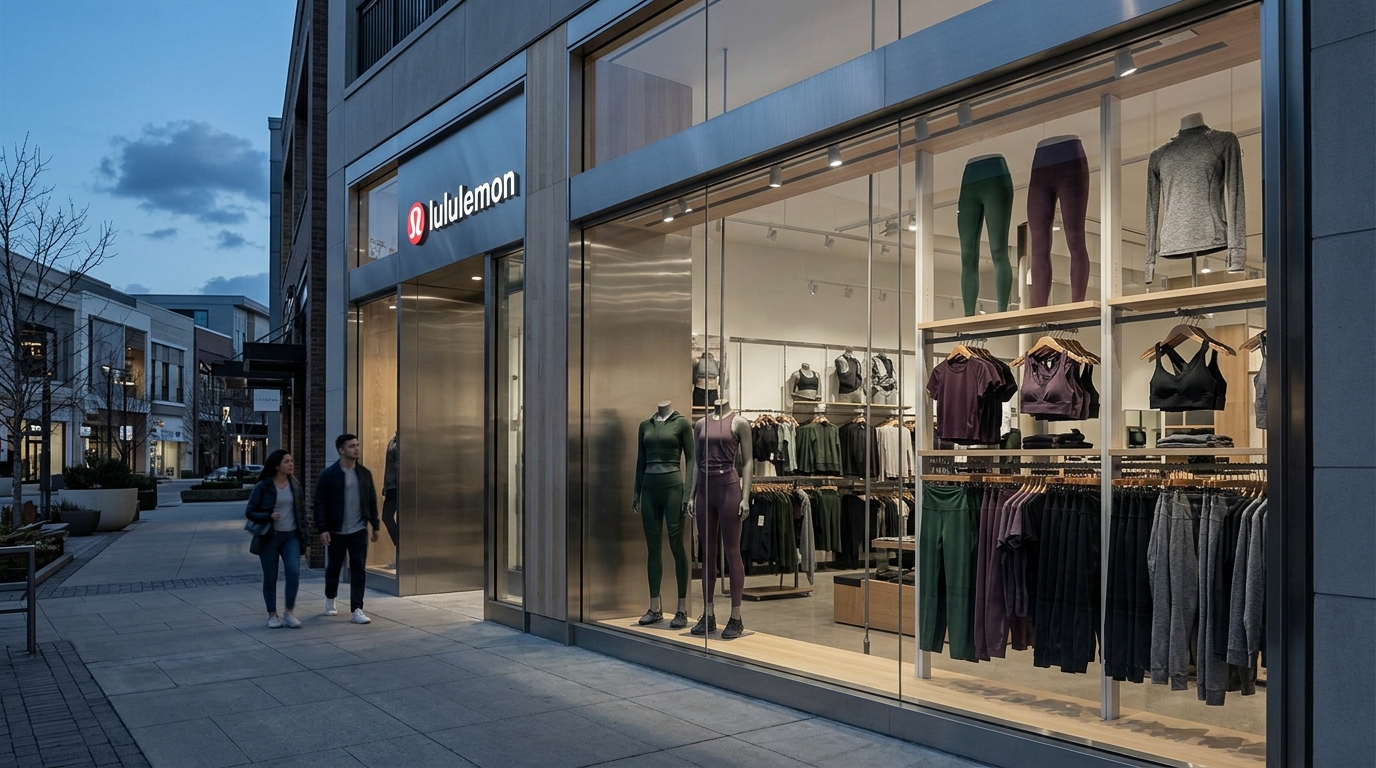
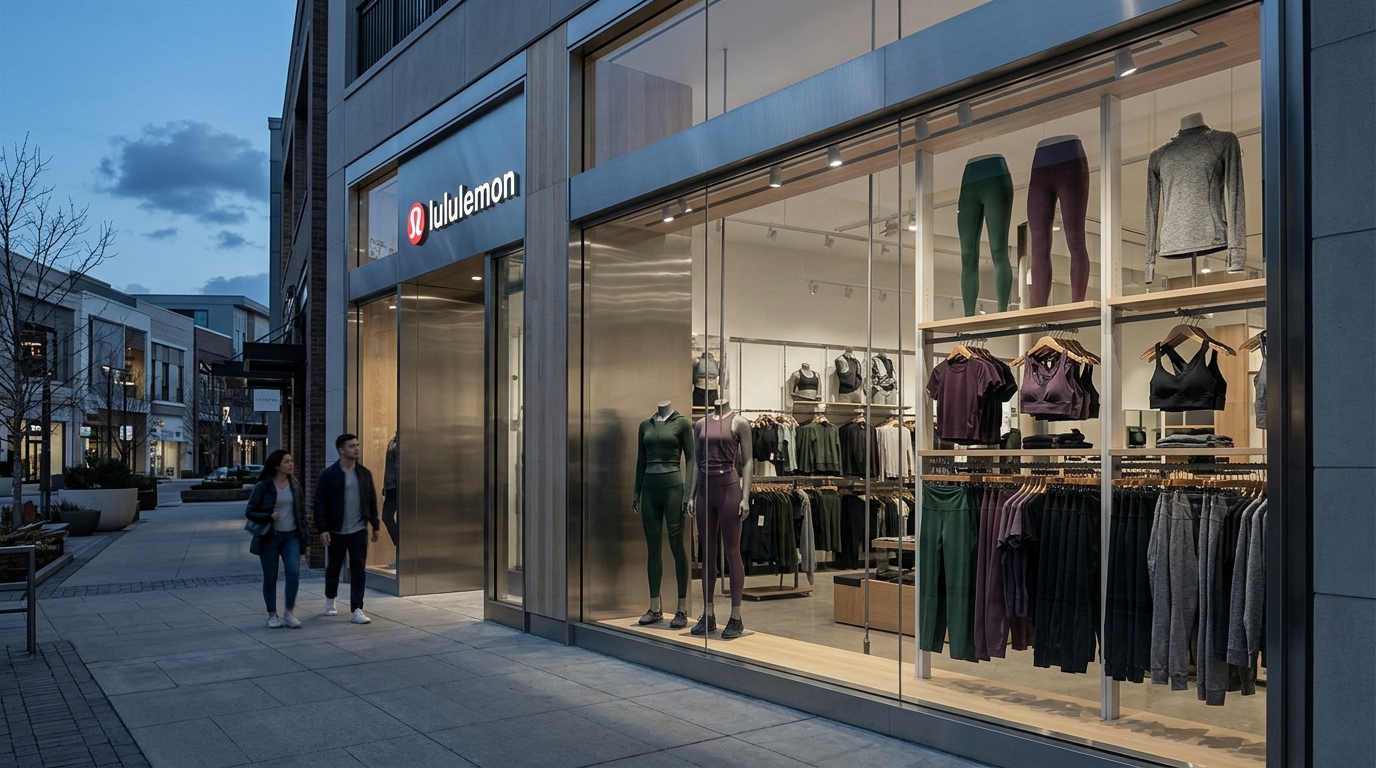
There’s a moment when a premium brand stops being a growth story and starts becoming a liability. Lululemon may be in that moment right now.
The stock fell over 11% in after-hours trading Thursday and extended those losses into Friday’s premarket session after management cut its annual profit forecast in ways that caught even the most cautious analysts off guard. LULU is now trading near its lowest level since May 2018. That context matters.
What the Numbers Actually Show
Q1 results were, on the surface, fine. Revenue came in at $2.47 billion against a $2.43 billion estimate. EPS hit $1.69, right in line. But the forward picture is where things unravel fast.
Q2 EPS guidance landed at $1.76 to $1.81. Wall Street was expecting $2.71. That’s not a rounding error. Full-year EPS guidance was slashed from $12.10–$12.30 down to $10.95–$11.15, well below analyst estimates of $12.31. Revenue expectations were cut from growth of 2% to 4% all the way to flat or a 1% decline.
Gross margin contracted 410 basis points to 54.2%, driven primarily by tariff-related costs, higher markdowns, and fixed-cost deleveraging. Operating margin fell to 11.2% from 18.5% a year earlier. Operating income dropped 37% year-over-year. Net income dropped 38%. That kind of compression doesn’t reverse in a quarter.
The Domestic Crack
The Americas – Lululemon’s largest market – saw revenue fall 3%, or 4% on a constant-currency basis. Comparable sales dropped 5%, marking the fifth consecutive quarter of declines. Management is now guiding for North American sales to fall by a low double-digit percentage in Q2 and by a high single-digit percentage for the full year.
Worth noting: U.S. revenue grew from roughly $2.9 billion in 2020 to $6.5 billion by 2025. It has since slipped back to around $6.3 billion. That’s not just a soft patch – that’s a reversal of a multi-year growth arc.
Slight tangent, but it matters – rival Nike is also trading near 15-year lows. This isn’t exclusively a Lululemon story. Premium athletic apparel as a category is getting squeezed from both ends: softer consumer demand at the top, and aggressive competition from lower-priced alternatives pushing up from below.
Here’s the Best Day to Buy Nvidia
Did you know Nvidia has a 93% history of soaring, beginning on one particular day every single spring?
We call this the “Green Day phenomenon.” It works on 5,000 stocks.
For example, Amazon has a 100% history of soaring beginning on one particular day every single year.
A Brand Under Pressure
The revenue problem isn’t purely macro. Interim co-CEO and CFO Meghan Frank cited two specific headwinds on the post-earnings call: a spike in negative media and social commentary about the brand, and product launches that failed to generate the expected consumer response. Her yoga campaign example was telling – the company’s own marketing didn’t produce the halo effect it was counting on across the broader assortment.
When pressed on the source of that negative commentary, Frank pointed to Lululemon’s ongoing proxy contest with founder Chip Wilson, who has been publicly critical of the company’s direction. That’s a messy situation to manage while simultaneously trying to reintroduce a brand to its core customer.
Guggenheim analyst Simeon Siegel put it plainly: the brand is strong but overstretched, and the concern now is that ongoing North American revenue declines could persist while the company works to re-elevate its positioning.
Where It Goes From Here
The one genuine bright spot is international. Revenue outside North America surged 22% in Q1, with China up 30%. Management expects China to grow roughly 20% for the full year. That’s real momentum – but international still makes up a small fraction of total revenue. It can cushion the blow. It can’t offset what’s happening at home.
Morningstar sees shares trading at a forward P/E of around 10 – historically low for a brand with Lululemon’s margin profile. That may look like value. It may also reflect exactly what the market thinks a structurally pressured premium brand is worth when volume growth stalls and the consumer stops showing up.
LULU shares have lost more than 60% over the past 12 months, and this move takes them deeper. What’s interesting is that even Michael Burry – who disclosed adding to his LULU position ahead of earnings – is now sitting on a larger unrealized loss. That tells you something about where consensus expectations were, and how far reality has drifted from them.
The company is also operating without a permanent CEO. That leadership gap, layered on top of brand friction, product misses, tariff pressure, and a weakening domestic consumer, is a lot to manage at once. None of these problems are unfixable. But they’re not short-term either.
Trump’s Executive Order 14330: What Wall Street Doesn’t Want You to Know
When Trump signed Executive Order 14330, he quietly opened a $216 trillion opportunity to regular Americans. And Trump collects up to $250,000 a month through a little known fund directly tied to this boom. Now you can access it for less than $20.
This editorial is for informational purposes only and does not constitute investment advice. Past performance is not indicative of future results. Always conduct your own due diligence before making any investment decisions.
 Rising Star Stocks