July 4, 2026
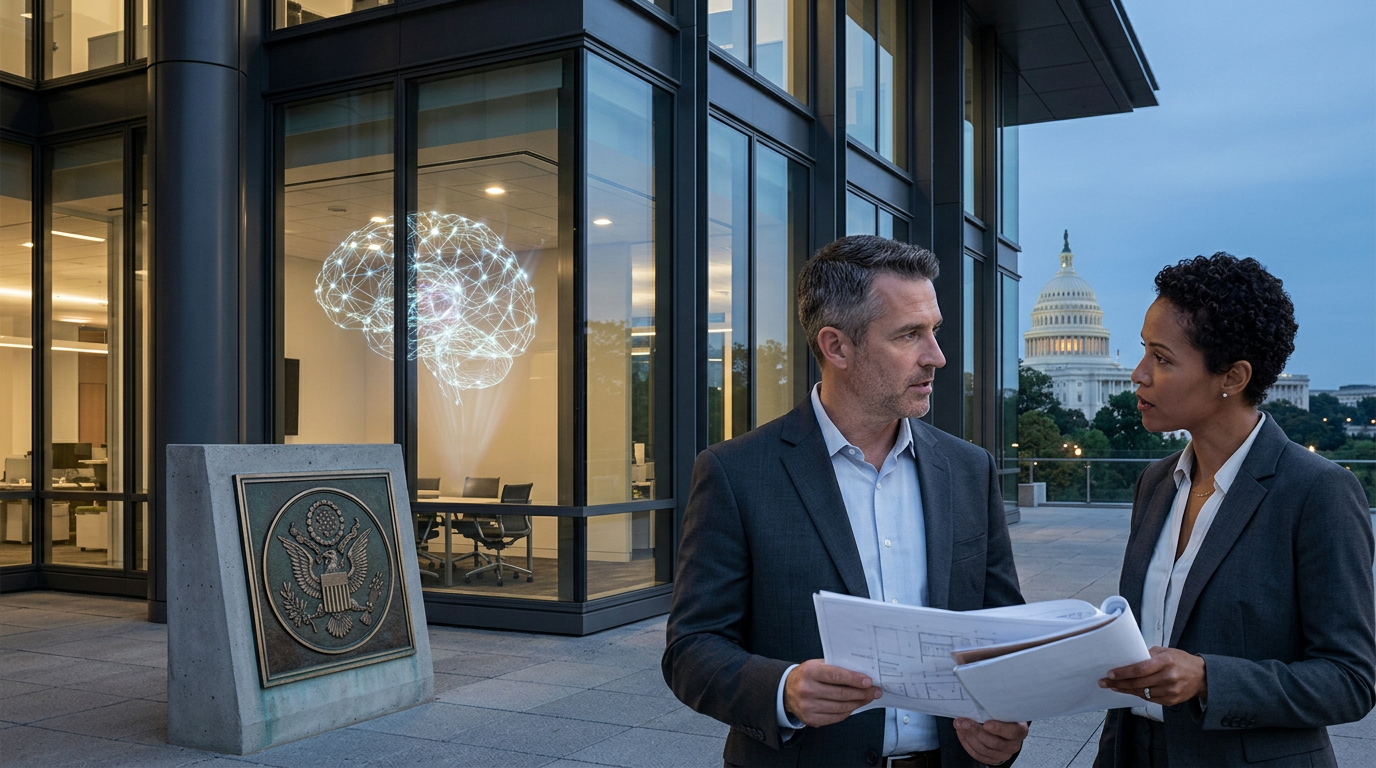
Washington Just Bought Into AI
A proposed government stake in OpenAI is not a policy story. It is an investment one.
First a note from Weiss Ratings
Dear Reader,
Starting as soon as a few months from now, the United States government will make a sweeping change to bank accounts nationwide.
It will give them unprecedented powers to control your bank account.
They could closely track every transaction.
They could even freeze it.
Unless you protect yourself today. Fortunately, there are 4 simple steps you can take to safeguard your savings.
Discover these 4 simple steps here.
Good luck and God bless!

Martin Weiss
Dr. Martin D. Weiss, Founder
FEATURED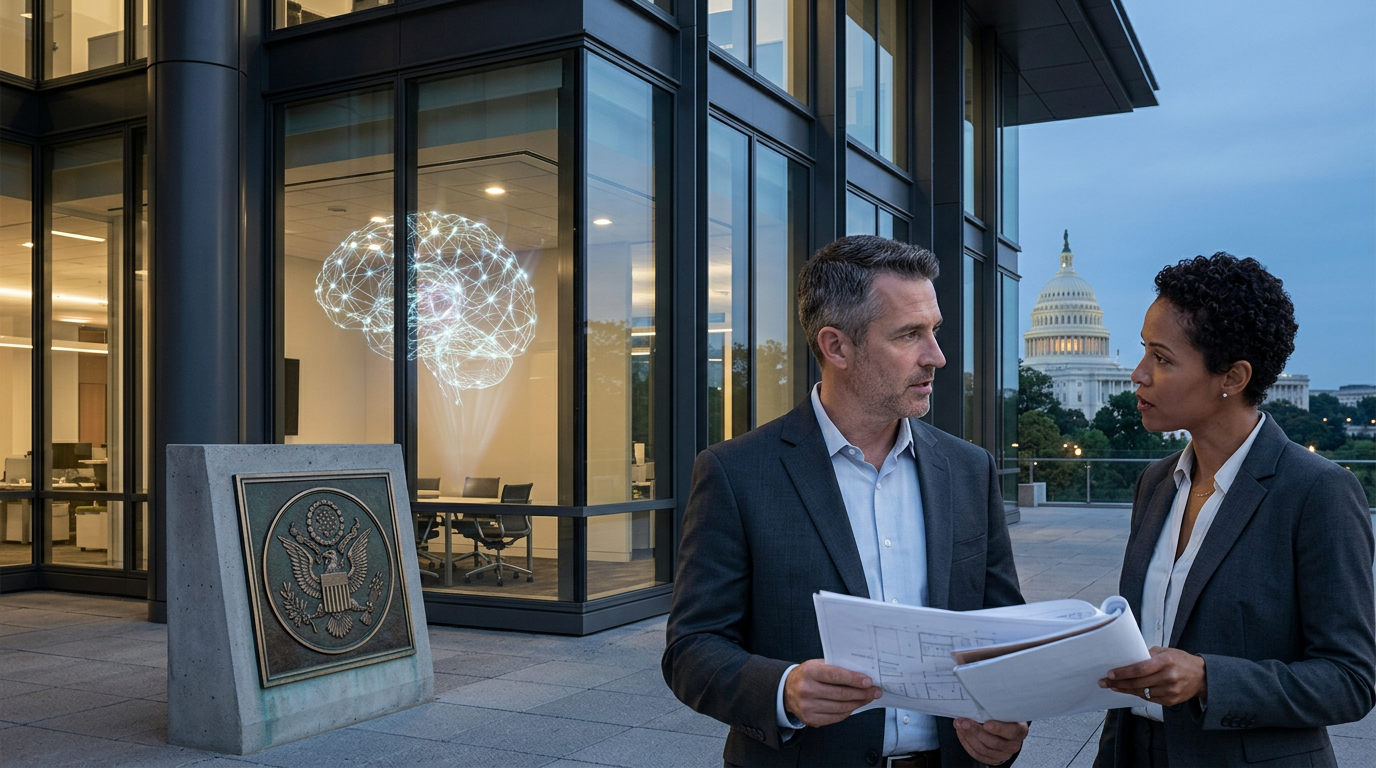
Most people read the OpenAI headline and filed it under politics. That was the wrong folder.
Here is what actually happened. OpenAI proposed giving the U.S. government a 5% equity stake in the company. At the $852 billion valuation OpenAI set in its March funding round, that slice is worth roughly $42.6 billion. The talks are described as conceptual, could require an act of Congress, and may go nowhere in their current form. None of that changes what this signals about where the relationship between Washington and frontier AI is heading.
This is not the first move in this direction.
The U.S. already holds a 10% stake in Intel. It takes a cut of Nvidia and AMD revenue on China AI chip sales. The pattern is not accidental. Washington is quietly building financial positions inside the technology sector it is simultaneously trying to regulate. OpenAI would be the largest and most consequential piece of that so far, and the fact that it is being discussed at all tells you something about how both sides are thinking.
What’s interesting is the incentive structure this creates. A government that owns equity in OpenAI is not a neutral regulator anymore. It has a financial reason to want that valuation to go up. Safety investigations, antitrust reviews, export control enforcement against OpenAI specifically, all of those get complicated when the regulator is also a shareholder. Critics will call that a conflict. Investors should call it a moat.
Sam Altman’s proposal goes further than just OpenAI. He has suggested that every leading U.S. AI company contribute a similar 5% stake to a vehicle modeled on the Alaska Permanent Fund, which distributes oil revenue to state residents as annual dividends. Whether that structure survives contact with Congress is an open question. What is not open is the direction of travel: the federal government wants skin in the game, and the major AI labs appear willing to give it to them.
He Doesn’t Buy Gold. He “Skims” It.
A former hedge fund manager ranked in the top 1% by Barron’s has developed a three-step strategy to profit from gold – without buying a single ounce.
His followers have had the chance to collect $2,975… $3,781… and even $6,786 at a time. With a 73% win rate.
He calls it “Gold Skimming.” And he’s just revealed the full strategy for the first time.
Slight tangent, but it is worth sitting with. In the last three weeks alone, the government gated OpenAI’s newest GPT-5.6 models behind a list of approved partners when they launched June 26. It applied export controls to Anthropic’s most powerful models on June 12, which forced the company to suspend access globally since it had no way to verify users’ nationality in real time. Then it reversed course and lifted those restrictions on July 1, when the Department of Commerce removed the controls and Anthropic began restoring access to Claude Fable 5 and Mythos 5. Product launches delayed. Customers gated. Restrictions reversed within weeks. This is active, hands-on intervention in how AI gets deployed, and it is accelerating.
A government holding equity changes that dynamic in ways that are hard to fully map right now.
On the competitive pressure side: Chinese open-source models have been narrowing the capability gap with American frontier models faster than most analysts expected, and at a fraction of the cost. That is the backdrop against which Washington is now considering becoming a financial stakeholder in OpenAI. The calculus is not complicated. If American AI labs lose their lead, a government equity position loses value. Suddenly the incumbent’s competitive advantage is also the government’s financial interest.
OpenAI confidentially filed an S-1 with the SEC on May 22, 2026, with Goldman Sachs and Morgan Stanley running the process. The original target was a public debut as early as Q4 2026. Reuters reported in late June that the company is now weighing a delay to 2027. Either way, the IPO is coming. And a formalized government equity stake, if it materializes before that listing, reshapes the investor conversation in a significant way.
Have YOU prepared for Trump’s New Dollar??
Enacted through Executive Order 1412, issued by the U.S. Treasury – all U.S. citizens will soon be forced to use America’s new money… But only a handful will understand how to turn it into new wealth.
Watch whether Anthropic and Google get approached with similar terms. The proposed structure envisions multiple U.S. AI companies ceding comparable stakes through a sovereign wealth fund vehicle. The Trump administration has not yet discussed this with Anthropic, and it is not clear any of the other firms would agree. But the framing has shifted. The question is no longer whether Washington wants a role inside these companies. It is what form that role takes.
The investors who get this right are probably not the ones focused on the political angle. They are the ones asking what it means for valuation, for regulatory risk, and for who actually controls the next chapter of AI development in this country.
That question does not have a clean answer yet. Which is exactly why it is worth paying attention to.
For informational and educational purposes only. Not investment advice. Trading involves risk, including loss of principal.
 Rising Star Stocks