
Dear Investor,
I want to ask you a strange question.
What happens when the public turns against the products of a giant industry… but the world still needs the job those products perform?
That is not a theoretical question.
We have watched versions of this story before. For years, tobacco appeared untouchable. It was profitable, familiar and woven into everyday American life.
Then the pressure started building.
Scientific concern. Public scrutiny. Lawsuits. Regulation. A slow but unmistakable change in what consumers would accept.
Tobacco demand could fall because people could stop smoking.
But people cannot simply stop controlling mosquitoes, termites, roaches, ticks and the pests that threaten homes, businesses, food and public health.
That is what makes today’s pesticide story so interesting.
If traditional chemical products face mounting pressure, the need does not go away. The money does not necessarily disappear. It may begin moving toward a different kind of solution.
And quietly – well outside the spotlight of most Wall Street research – one small private company has spent years developing botanical pest-control products designed for this changing market.
That company is Med-X, Inc. It has reserved MXRX for possible use following a successful future Nasdaq listing.
I am not asking you to buy a stock. I am asking you to examine a question before the answer becomes obvious to everyone else:
If pesticides are entering their “tobacco moment,” where could the demand go next?
We prepared a detailed report that follows the entire story – from the historical comparison, to the unavoidable demand for pest control, to the botanical category and the company attempting to build inside it.
The report is long. Deliberately so. It gives you the argument, the counterarguments and the facts you should investigate for yourself.
Click here now to read “Are Pesticides the New Tobacco?”
You may agree with the comparison. You may reject it. Either way, this is a market transition worth understanding.
Sincerely,
The Editors
National Investor Network
P.S. The most consequential changes often look gradual – until suddenly they do not. Read the full investor letter here and decide for yourself whether pest control is approaching one of those moments.
|
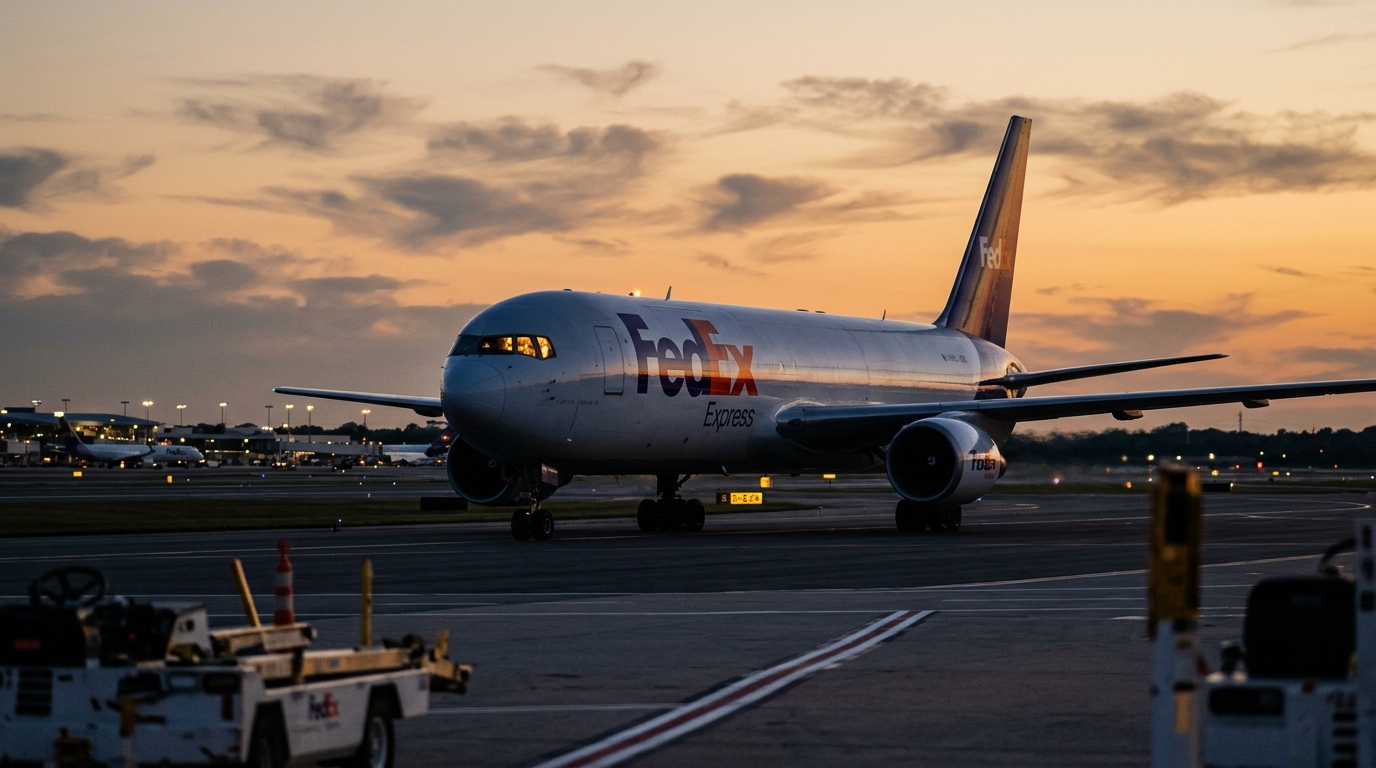
FedEx’s 40% Pilot Pay Raise Accelerates Autonomous Freight
FedEx’s pilots ratified a new contract on June 9, 2026, locking in nearly 40% hourly pay increases and making the company’s 5,000-plus cockpit workforce significantly more expensive overnight. Five years of contested bargaining, mediation under the Railway Labor Act, and a surge in pilot resignations. Management signed. Now it has to live with the bill.
That bill has a direct effect on how aggressively FedEx pursues autonomous aircraft. The math was already pointing that direction. A veteran FedEx captain on widebody equipment earns roughly $300,000 annually in base pay. Multiply that across feeder routes where single-engine turboprops connect regional hubs to smaller markets, and labor is the single largest controllable cost in the middle mile.
This is exactly where Reliable Robotics becomes relevant to FDX investors. The Mountain View-based startup closed a $90 million Series D extension this month, and some reports have put its valuation around $1 billion. The company is pursuing FAA certification work for a remotely piloted or highly automated cargo aircraft, with its Reliable Autonomy System designed to retrofit onto Cessna 208B Grand Caravans, the same turboprop that FedEx feeder operators already fly into short-field, thin-margin routes. Boeing’s venture arm and RTX Ventures have been reported as participants in the round, signaling that incumbents consider the certification path credible.
The retrofit approach sidesteps the risk of certifying an entirely new airframe. Reliable is asking the FAA to add autonomous capability to a plane regulators have inspected for decades. This week, the company completed an autonomous demonstration flight in Albuquerque under an FAA eVTOL integration pilot program, another concrete milestone in a sequence that now has government backing.
For FedEx, the implications run through its Network 2.0 overhaul. The company is consolidating Express and Ground into a single operation while keeping aircraft-related capital spending at or below $1 billion through 2029. Autonomous feeder hops would expand regional reach without adding crewed flight hours, compressing the cost of overnight transit between sortation hubs. Oliver Wyman projected a North American pilot shortfall of around 13,300 by 2032, and regional cargo carriers feel that squeeze first.
Where the Risk Lives
FAA certification timelines are difficult to forecast. Reliable has described active compliance work, but commercial uncrewed cargo at scale is still a future event. FedEx has not committed to fleet-wide adoption. The new pilot deal also introduces a degree of labor stability that lessens short-term pressure to displace cockpit crews on larger jets.
The realistic near-term path is hybrid: remote operators in control centers managing autonomous feeder legs while mainline express stays crewed. Even that partial model cuts overhead where margins are thinnest.
The Bigger Picture
The crew-cost problem is not unique to aircraft. UPS, restructuring toward higher-margin integrated logistics after cutting its largest customer’s volume by more than 50% from 2024 levels, faces the same arithmetic on coastal freight. Research published by Nature Portfolio in 2026 found electrification can be economically advantageous for up to 90% of the technically electrifiable short-sea fleet, depending on assumptions, by 2030. Autonomous electric tugs are already moving from concept to commission in Singapore and the U.S.
FedEx may not build the autonomous plane. But a 40% pay raise is a very effective argument for whoever does.
 Rising Star Stocks