October 29, 2026
Bonus Content: Nvidia’s $12.93 Billion Hugging Face Deal Draws DOJ Scrutiny
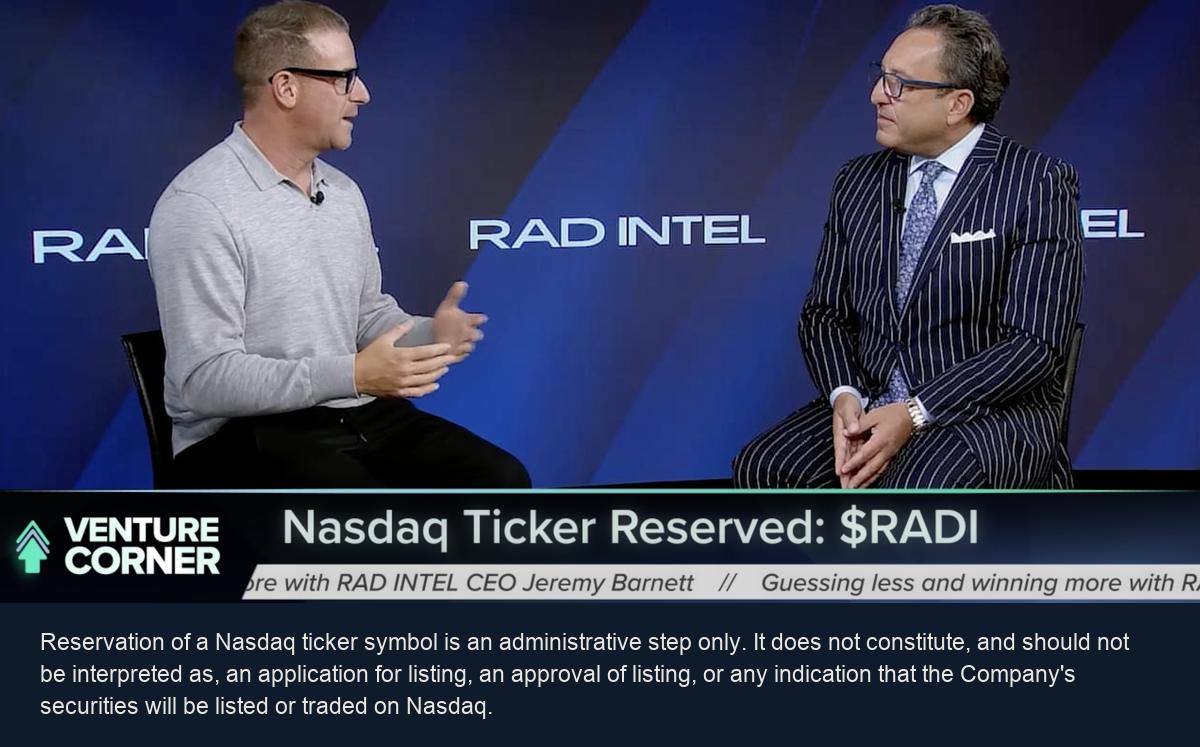
30,000+ investors have already backed RAD Intel.
AI is worthless without commercial traction. RAD Intel has it.
This company’s AI predicts how and where marketing dollars get spent. Valuation growth of 7,400%+ over the last five years, and eight industry awards in 2026.
Current allocations remain limited.
30,000+ investors.
$88M+ raised to date.
RAD Intel’s Regulation CF round is now open to all investors.
P.S. Limited allocations remain in the current investment round. The offering page lays out the details, risks included. Learn more to invest →
Regulation CF · now open to investors
This is a paid advertisement for RAD Intel made pursuant to Regulation CF offering and involves risk, including the possible loss of principal. The valuation is set by the Company and there is currently no public market for the Company’s Common Stock. Past performance is not a guarantee of future results. Please read the offering statement and related risks at invest.RADIntel.ai. Reservation of a Nasdaq ticker symbol is an administrative step only. It does not constitute, and should not be interpreted as, an application for listing, an approval of listing, or any indication that the Company’s securities will be listed or traded on Nasdaq.
Nvidia’s $12.93 Billion Hugging Face Deal Draws DOJ Scrutiny
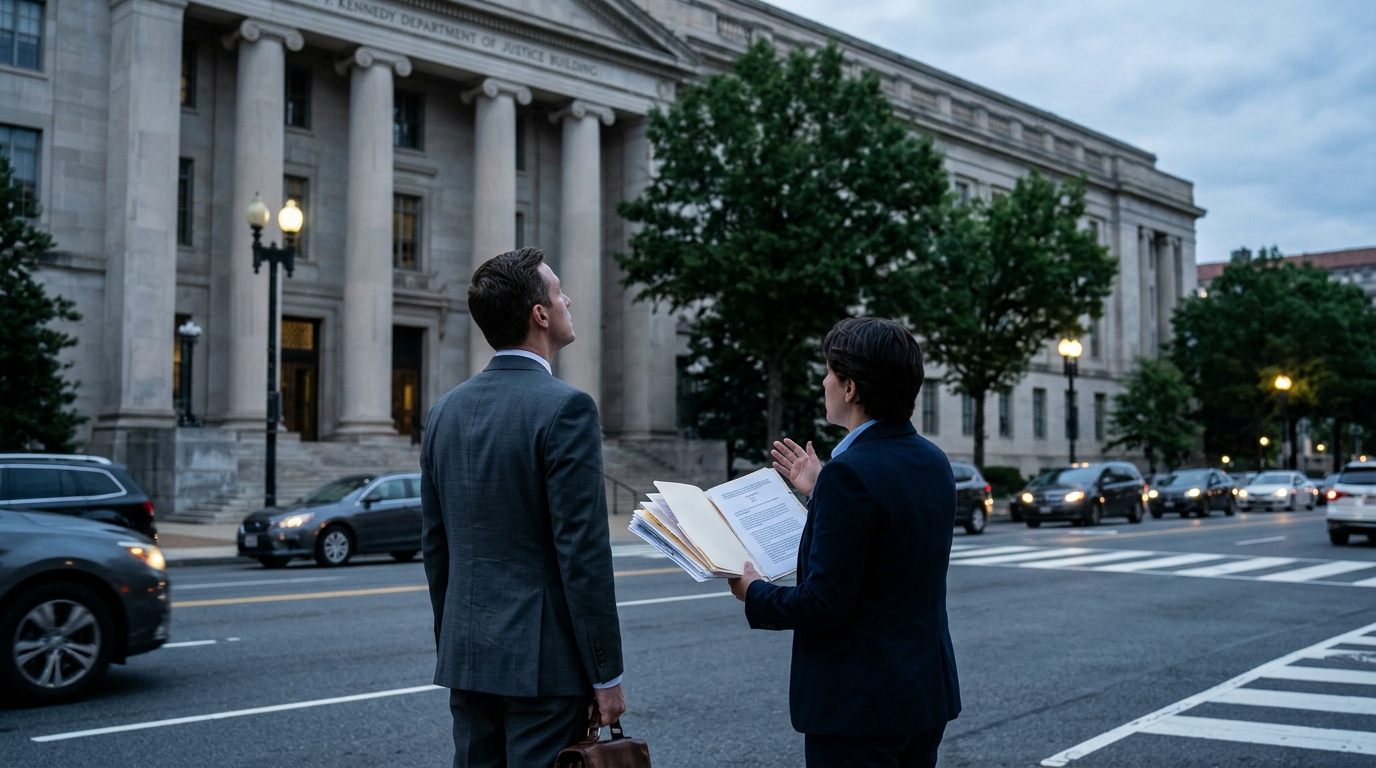
For years, the antitrust case against Nvidia was always about silicon. Whether it was pricing pressure on cloud customers or the terminated Arm acquisition, regulators trained their sights on the chip supply chain. Wednesday changed that framing entirely.
What Happened
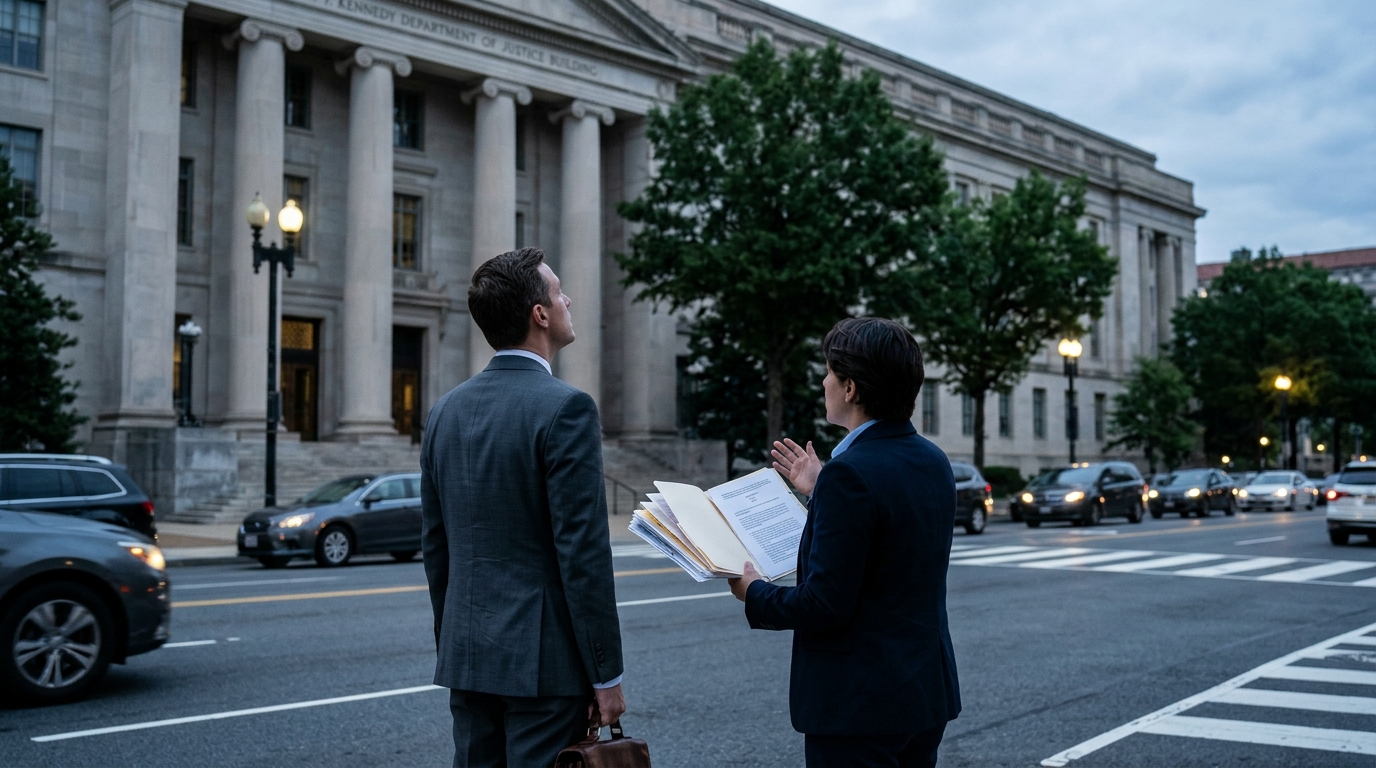
Reuters reported Wednesday that the Justice Department has made inquiries about Nvidia’s $12.93 billion acquisition of Hugging Face, folding the questions into a broader, multi-year antitrust investigation that already covers the company’s sales tactics, investments, and prior deals. NVDA fell 1.17% to close at $215.38 while the Nasdaq gained 0.27% on the same session. AMD, Broadcom, and Micron all closed higher, leaving Nvidia 1.44 percentage points behind the index.
One data point tells the story of why regulators care. At the time Nvidia announced the deal in early September, more than 18 million developers were using Hugging Face, alongside 200,000 companies, to share roughly 3 million models and 500,000 datasets. That is not a niche developer tool. That is the place where most of the world’s open-source AI actually lives.
The Real Question Regulators Are Asking
The DOJ’s focus is narrow and specific: whether absorbing Hugging Face would hand Nvidia a dominant distribution channel for AI models and software. Owning the hardware that trains models is one kind of power. Owning the platform where those models get shared, tested, and deployed is a different and arguably stickier kind.
Nvidia has pledged publicly that the platform will remain open, with no requirement to use Nvidia hardware. CEO Jensen Huang wrote at the deal’s September announcement that it would “expand access to AI for developers and institutions worldwide.” Federal investigators appear to be weighing whether structural promises hold once the transaction closes, expected in the first half of 2027.
This inquiry does not stand alone. The DOJ was already scrutinizing Nvidia’s roughly $20 billion licensing arrangement with Groq, its acquisition of workload-orchestration developer Run:ai and high-performance-computing software firm SchedMD, and whether the company used its chip dominance to pressure customers. Hugging Face now lands on a desk with an open Nvidia folder.
What This Means for the Stock
Wednesday’s move is worth reading carefully. No formal challenge has been filed. No second request from regulators has been publicly detailed. An inquiry is questions, not an action. The market’s 1.17% reaction is mild by the standards of serious antitrust interventions.
But the overhang is new in kind, not just degree. Past DOJ scrutiny of Nvidia centered on chip market conduct, areas where the company could argue it competes on performance and price. A challenge to the Hugging Face deal would target Nvidia’s software and developer ecosystem strategy, which is exactly where the company has been building its next layer of competitive advantage. That is a different risk profile for shareholders to price.
The Bigger Picture
Any enforcement action could reverberate across the semiconductor industry and test the acquisition strategy that has widened Nvidia’s influence in AI well beyond GPUs. AMD, the most direct hardware competitor, could benefit from a constrained Nvidia if the DOJ moves to block or restructure the deal. For now, the question is whether Washington’s interest in who controls AI distribution channels produces real intervention or simply a longer regulatory runway before a deal that closes anyway.
The antitrust overhang lands on a stock already carrying a heavy execution burden. Nvidia’s own supply-constrained revenue outlook depends on resolving packaging and memory bottlenecks before demand assumptions can be validated.
Nvidia may be right that an open Hugging Face is good for the ecosystem. Regulators clearly want to verify that claim before it becomes fait accompli. Investors watching NVDA should understand they are now holding a position exposed to software platform risk, not just chip cycle risk. That distinction could matter considerably in the months ahead.
 Rising Star Stocks