
October 15, 2026
Bonus Content: Africa’s Phone King Is Listing in Hong Kong at a Discount
Dear Reader,
Billionaire hedge fund manager Paul Tudor Jones just told CNBC he is “long oil” and believes crude could rally another $20 to $25 a barrel.
From Tuesday morning’s level near $92.50, a move of that size would carry U.S. oil above its previous 2026 closing high of just under $113.
I think investors should pay attention.
Click here to see why I believe this oil move could create a rare income opening.
I’m Marc Lichtenfeld, Chief Income Strategist at The Oxford Club. In November 2021, while the Fed still called inflation “transitory,” I warned it could top 8% and said energy could be a bright spot. Inflation later hit 9%, and energy became the best-performing sector of 2022.
Jones’s thesis is simple: The conflict involving Iran remains unresolved, and he sees little chance of a meaningful breakthrough before the November midterm elections.
If he’s right, the obvious move is to chase a giant oil producer.
I believe there’s a more interesting way to approach this setup.
Click here to take a look at the overlooked oil strategy I’m watching.
I’ve found a little-known oil income investment that doesn’t carry the same drilling and operating burden as a typical producer. Yet it may still benefit when higher oil prices increase the value of the energy flowing through its footprint.
It has already been producing a double-digit indicated yield based on a recent distribution and market price. That payout is variable, not guaranteed, and the investment can lose value.
But with one of the world’s most accomplished commodity traders preparing for another leg higher in oil, I believe this deserves a look now.
Click here to see my full oil income presentation: free – no email or credit card required.
Good investing,
Marc Lichtenfeld
Chief Income Strategist, The Oxford Club
P.S. Jones sees room for another $20 to $25 move in oil. If he’s right, waiting for the move to become obvious could mean missing the most interesting part. Click here to see why I prefer this approach to the obvious oil stocks.
Africa’s Phone King Is Listing in Hong Kong at a Discount
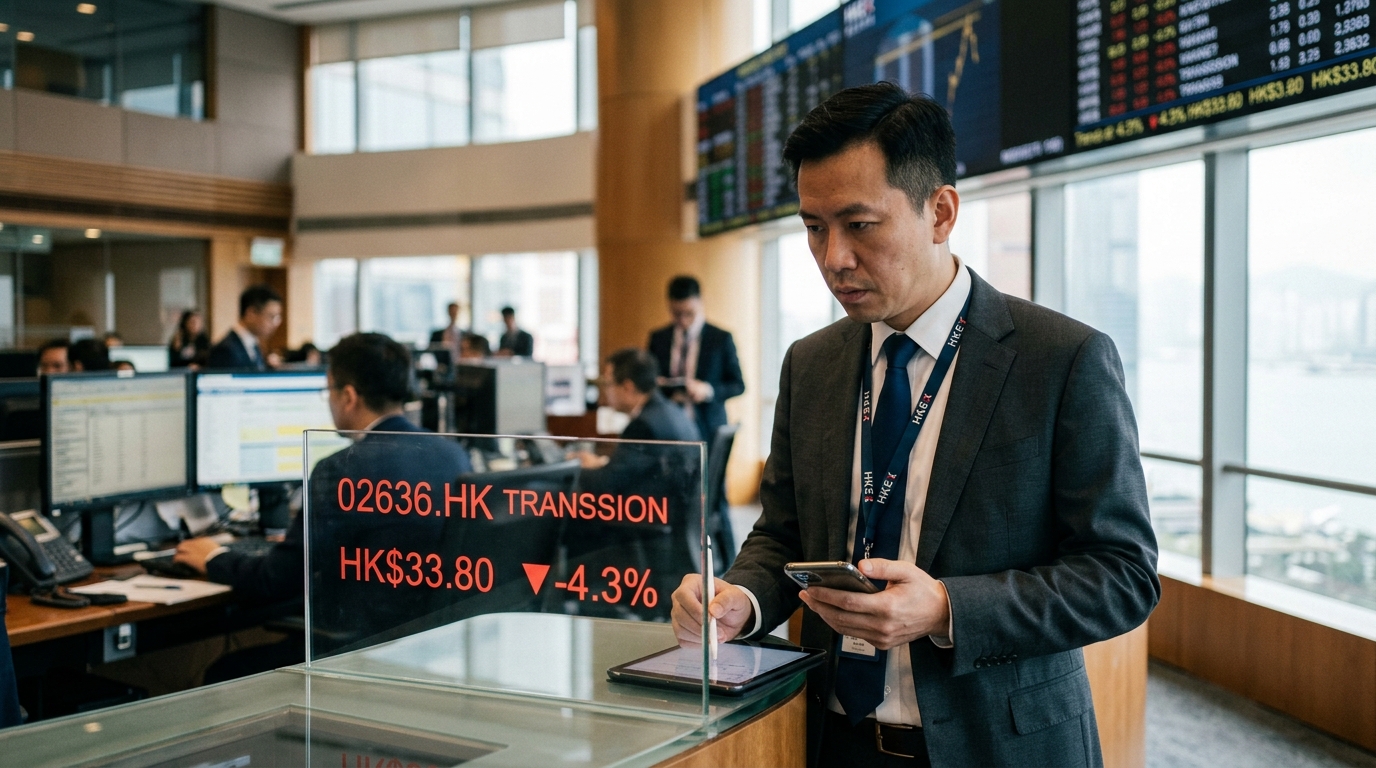
Transsion Holdings began trading in Hong Kong this morning under ticker 02636.HK, priced at HK$35.30 per H share. By midday it had already slipped to HK$33.80, a 4.3% drop on day one. The Shanghai-listed parent is down nearly 20% year to date. This is not a victory lap. It is a capital raise from a position of clear weakness, and the market is saying so out loud.
That framing, though, misses what is actually being offered at HK$35.30.
The Installed Base Nobody Is Pricing
Through Tecno, Infinix and itel, Transsion commands about a 53% share of Africa’s smartphone market by revenue, according to Frost & Sullivan. In 2024, Transsion accounted for 61.5% of Africa’s smartphone market by shipments, according to the company’s prospectus. That is not a niche. That is control of the entry point to digital life for a continent of roughly 1.4 billion people.
The hardware business produced about USD 9.6 billion in revenue in 2024. The continent is not a low-margin charity project. It is the center of gravity for Transsion’s volume, brand equity, and distribution.
But the hardware revenue and the hardware margins are the floor, not the ceiling.
270 Million Monthly Users, Almost No Monetization
Transsion’s mobile internet services platform reports over 270 million monthly active users. The company earns roughly 3 yuan per user per year from those services, a number that understates the opportunity more than it captures it. Xiaomi built a meaningful software and services margin layer on a comparable installed base. Transsion has not, yet.
The prospectus earmarks 40% of listing proceeds for AI-related research and development, 30% for marketing and brand-building, and 20% for strengthening mobile internet and IoT services. The signal is unmistakable: Transsion knows it is selling a commodity device business today and wants to sell a platform business tomorrow.
Africa’s mobile money market is the most logical runway. Mobile payment adoption across Nigeria, Kenya and Ethiopia has been structural, not cyclical. A company with more than half the continent’s smartphone installed base and a proprietary operating system is positioned to capture a share of that transaction flow. So far it has captured almost none. That gap is either the risk or the opportunity, depending on how you read management’s execution record.
The mobile money gap is not unique to Africa. Digital banks that built large user bases without owning the financial infrastructure underneath them have faced the same execution question.
The Risks Are Real
Start with the financials. Revenue fell 4.55% in 2025 from the record 2024 level, and net profit attributable to shareholders dropped 53.49%. The first half of 2026 showed a genuine recovery, with revenue up about 21.9% year over year and net profit attributable to shareholders up 46.22%. Whether the recovery is durable or a bounce off a very low base is unresolved.
Competition is intensifying. Xiaomi and Honor have moved aggressively into Transsion’s African stronghold. In Africa, Transsion’s combined smartphone shipment share was 61.5% in 2024, and management has flagged the need to defend share as rivals push down-market.
The services business, the long-promised second leg, has not yet delivered. The 270 million monthly active users have not translated into meaningful software or advertising revenue. That is a structural overhang as long as it persists.
The Hong Kong H shares are also priced at a meaningful discount to the Shanghai A shares, reflecting both the discount typical of cross-listed Chinese companies and genuine uncertainty about whether Hong Kong investors will assign African growth any premium at all.
The Case for Watching It
Twelve cornerstone investors, including Singapore’s GIC, took 40.72% of the offering. They were not buying hardware multiples. They were buying optionality on what 270 million African mobile users could generate once the monetization flywheel turns.
The stock opened weak today. The oversubscription rates were modest: 3.46 times for the Hong Kong public tranche, 1.55 times for the international book. Neither number inspires confidence. But at a valuation that prices almost nothing into the services layer, 02636.HK may be worth placing on the radar for investors who believe Africa’s mobile economy is early rather than impaired. The installed base is real. The question is execution, and today’s debut suggests the market is willing to wait for proof before paying for it.
 Rising Star Stocks