Dow Inc. reports Q3 results on October 22, and most previews are focused on polyethylene pricing and Path2Zero’s Alberta timeline. The angle traders are underweighting is simpler: did the corn-stover supply chain actually come online?
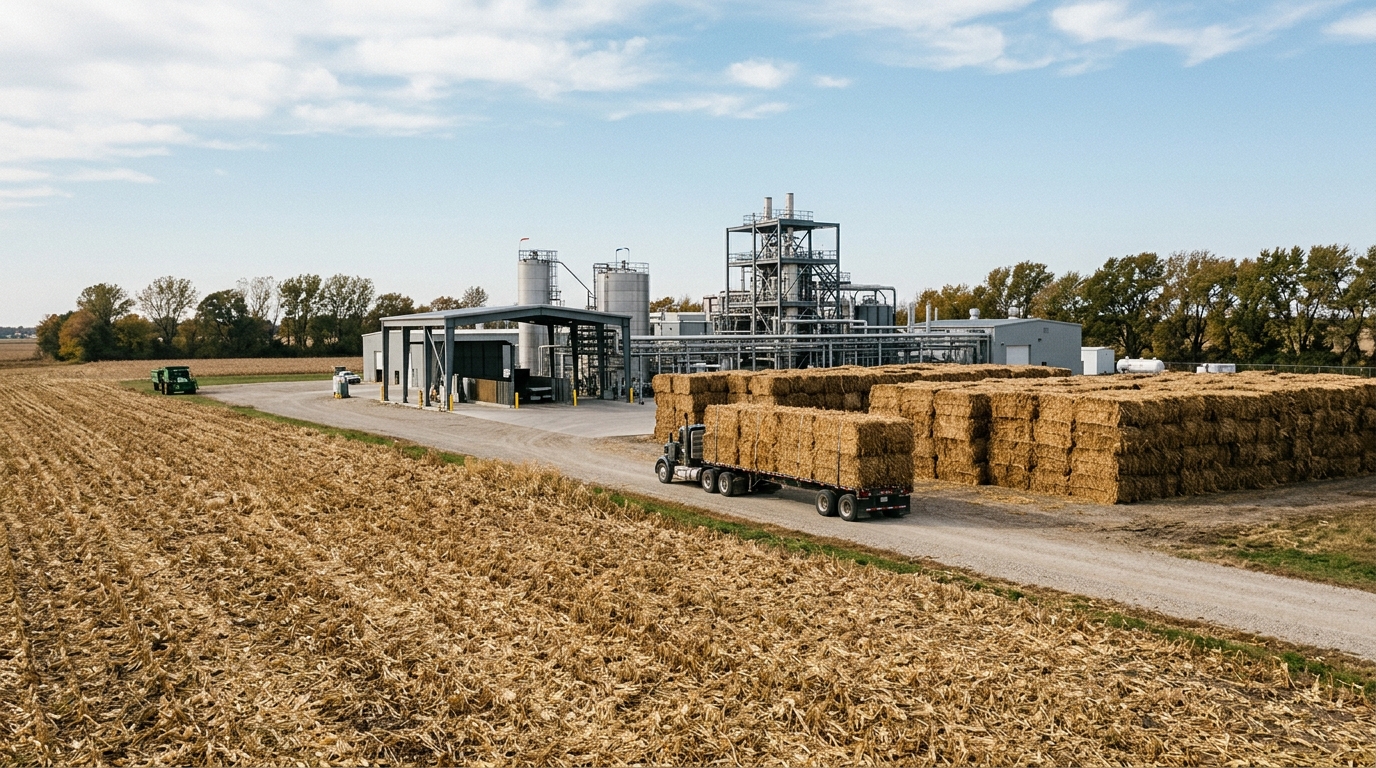
The New Energy Freedom biomass refinery in Mason City, Iowa, was built around a $650 million construction contract with ARCO/Murray and carried a 2026 startup target. The facility is expected to process about 275,000 metric tons of corn stover per year into second-generation ethanol, with nearly half of that ethanol turned into bio-based ethylene feedstock for Dow products. If the refinery is producing, Dow’s Packaging and Specialty Plastics segment gets its first domestic, non-petroleum feedstock at commercial scale. If it isn’t, the entire bio-circular polyethylene offering stays a mass-balance accounting exercise.
That distinction matters to anyone holding DOW. The stock sits near $29, roughly 32% below its 52-week high of $42.74, while Barclays initiated coverage this week with an Underweight and a $30 target. The bear case is straightforward: margins are compressed, the company posted a GAAP net loss of $2.4 billion in fiscal 2025, and the Path2Zero cracker in Fort Saskatchewan slipped about two years to a late-2029 Phase 1 startup. The bull case requires Dow’s transformation program to produce visible volume, not just cost savings.
Bio-circular polyethylene is one of three decarbonization routes Dow has highlighted publicly. The approach uses agricultural residues, not food crops, as the feedstock. The resulting resin is certified through ISCC Plus mass-balance accounting, meaning customers can claim bio-based content in their own supply chains. Dow has already commercialized this route in Asia Pacific with partners including Thong Guan. North America, anchored by the Iowa facility, was supposed to close the gap.
The broader question isn’t whether bio-based polyethylene works chemically. Braskem has been producing bio-based polyethylene from Brazilian sugarcane ethanol since 2010. The question is whether Dow can thread the cost needle using agricultural residues rather than purpose-grown feedstock, at a price point competitive with petroleum-derived resin in a market where gross margins have fallen to under 10%.
Five New Energy Blue facilities are planned in total, with supply options covering all five. Together they are expected to displace over one million tons of greenhouse gas emissions every year. But the first one is the proof point. If the October 22 call confirms commercial flows tied to the Mason City project, the bio-circular segment stops being a sustainability slide and starts being a margin line. That changes the valuation conversation.
Watch Dow’s Packaging and Specialty Plastics commentary closely. Q2 2026 saw that segment post $6.4 billion in sales, up 27% year over year. Any disclosure on bio-based feedstock volumes or ISCC-certified resin shipments would signal whether this supply chain is executable at scale, or still in the commissioning phase while petroleum prices do the real work.
 Rising Star Stocks