
October 17, 2026
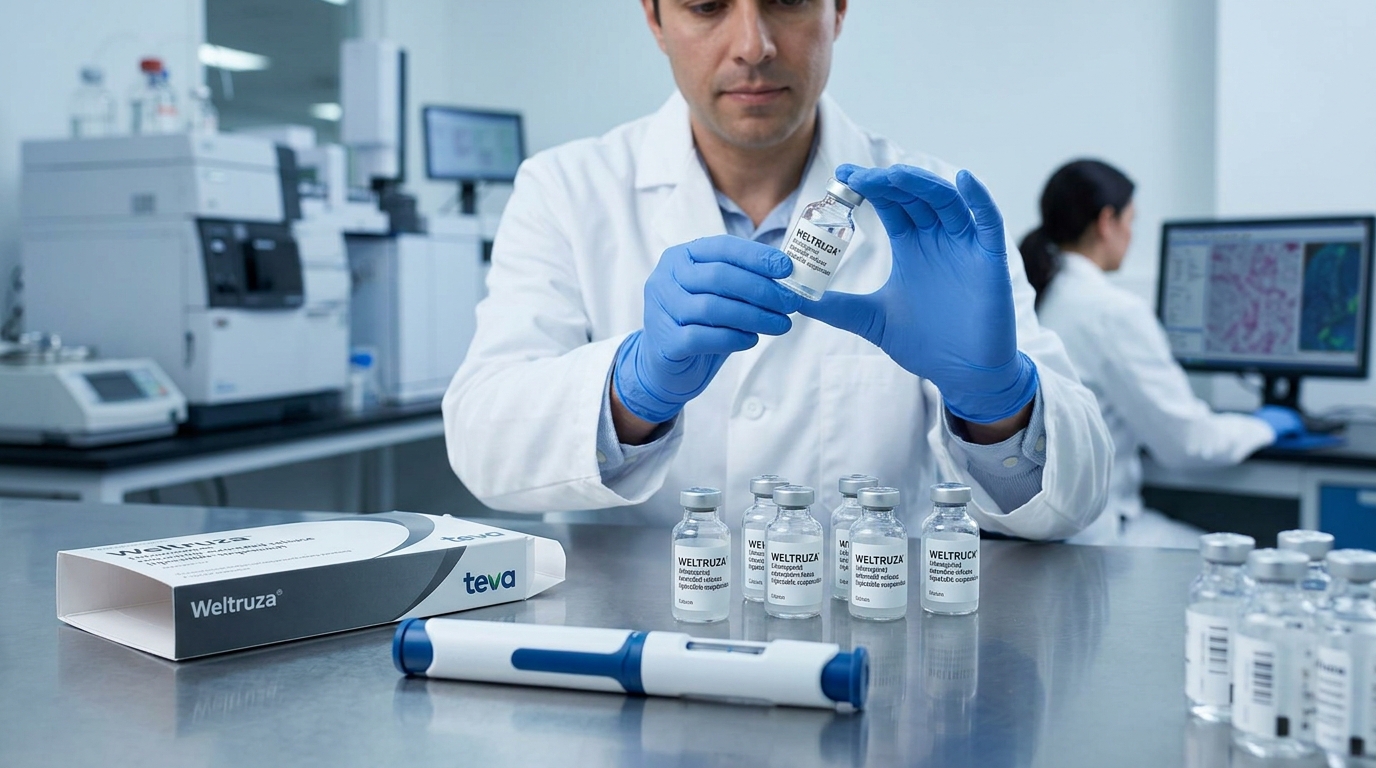
Bonus Content: Teva’s New Schizophrenia Shot Tests Its Branded Pivot
All eyes are on copper, and for good reason.
The market is waking up to the fact that copper is much more than just a metal used for industry.
Without enough copper supply, nations can’t realize their ambitions related to green energy.
Without enough copper supply, the build out of data centers related to AI grinds to a halt.
Those two factors alone are a big reason why copper prices are on the way to breaking past all-time highs.
When you throw in the fact that, on top of those things, supply is dwindling, it makes complete sense why more traders are paying attention to this often overlooked metal.
The big winners in this new reality for copper will be under-the-radar names that have access to substantial resources in safe jurisdictions.
One company, with control over a historic copper belt in Canada’s Yukon, is exactly the kind of name that fits that criteria.
It’s already confirmed high-grade copper at its flagship asset.
It’s going to begin exploring past-producing areas.
It has plans for moving other target areas toward drilling, potentially adding more pounds of copper to its books.
Between multiple rigs working in a district-scale area and the company being fully funded through the end of next year, share prices likely won’t stay low for very long.
That’s why you’ll want to take a look at our brand-new online report FREE OF CHARGE.
Inside, you’ll learn all of the details about the company, its assets, its recent results, and why it has a very bright future ahead. You’ll also hear directly from the CEO and learn all about what’s next.
Teva’s New Schizophrenia Shot Tests Its Branded Pivot
For decades, olanzapine has been one of the most widely prescribed atypical antipsychotics for schizophrenia. Psychiatrists knew it worked. The problem was that its only long-acting injectable form came boxed in so much regulatory caution that most clinics simply didn’t use it.
That friction is now gone.
On October 9, 2026, the FDA approved Weltruza, Teva’s once-monthly subcutaneous long-acting injectable formulation of olanzapine, for the treatment of schizophrenia in adults. It requires no loading doses, no oral supplementation, and no post-injection monitoring. That last point is the one that matters most to anyone who has tried to run a busy outpatient psychiatric practice.
What Made the Old Version Unworkable
The existing long-acting olanzapine formulation, Zyprexa Relprevv, carries a REMS requirement and mandatory at-least-three-hour post-injection monitoring due to post-injection delirium/sedation syndrome risk. Because of those precautions, the product is rarely used in routine clinical practice. Weltruza was engineered around that constraint from the start.
In the pivotal phase 3 SOLARIS trial, Weltruza was administered as a once-monthly subcutaneous injection and demonstrated an efficacy and safety profile consistent with oral olanzapine, with no post-injection monitoring required. The FDA approved the drug based on those results.
The Branded Pivot, In Numbers
Weltruza lands at a specific moment in Teva’s transformation. Teva’s business was heavily dependent on generic medicines for decades, a model that provided scale but also exposed it to intense price competition and periodic revenue declines. The company has been engineering its way out of that corner through branded neuroscience.
The company has highlighted continued momentum in its newest branded drugs, Austedo, Ajovy, and Uzedy. In Q2 2026, Teva said the three brands collectively grew 43% year over year in local currency to more than $1 billion in revenue, and the company raised its outlook for combined 2026 revenue to about $3.7 billion. Weltruza is the next entry in that column.
Weltruza is the second U.S.-approved product from Teva’s partnership with French biotech MedinCell, after Uzedy, a long-acting injectable form of risperidone that the FDA approved in 2023. The MedinCell technology has now produced two commercial launches for Teva, which reduces the execution risk in the platform argument.
Market Reaction and Analyst Moves
TEVA shares rose on the day of approval. The reaction from the sell side was more durable. JPMorgan raised its Teva target from $40 to $50 on October 12, following the Weltruza FDA approval. Barclays raised its price target from $42 to $47 on October 15. Oppenheimer raised its target to $52 on October 10. Analyst consensus calls are broadly positive, though published averages vary by data vendor and date.
Teva has said Weltruza is expected to become available in the U.S. in the coming weeks. The European Medicines Agency has also accepted Teva’s marketing authorization application for the olanzapine long-acting injectable, though the product is not yet approved in Europe. A successful EU approval would extend the revenue runway meaningfully.
Risks Worth Naming
The stock has already moved hard. TEVA’s 52-week range was $18.83 to $42.02 as of October 16, 2026. Much of the good news from Weltruza’s approval may already be reflected in that run. In Q2 2026, Teva swung to a net loss of $576 million on revenue of about $4.1 billion, driven in part by charges and costs tied to its ongoing reshaping of the business. The balance sheet is still absorbing the cost of the pivot.
Competitive pressure is real too. Johnson & Johnson’s Risperdal Consta and Invega Sustenna control significant LAI market share, and AbbVie’s Vraylar franchise continues to grow in the broader atypical antipsychotic category. Weltruza does not displace those drugs overnight. It earns prescriptions one skeptical psychiatrist at a time.
The Actual Test
Teva’s Q3 report arrives November 3 and R&D Day follows on November 11. That report may start to show whether Weltruza’s approval is beginning to shift the balance between Teva’s generic business and its branded growth products. The FDA approval was the easy part to verify. What Teva has to demonstrate now is commercial execution: can it convert a genuinely differentiated product into the kind of prescriber adoption that justifies the stock’s premium to intrinsic value estimates?
The broader earnings backdrop matters here too. A record-setting reporting season has reset expectations so high that even strong results can disappoint investors pricing in continued outperformance.
The answer to that question is what transforms a regulatory win into a real pivot, and the market will start pricing it well before the first full quarter of Weltruza sales hits the books.
 Rising Star Stocks